Too, Black

It always starts with the question, first in the eyes, hesitating on the way to the lips but determined to come out:  what are you?  Every mixed race person say amen.  For as long as I can remember, people have puzzled over my features, my hair, my skin color to piece together my race.  The question, and the response we arrive at together has more to do with the questioner than you may think.  And that interaction tells us more about race in America how far we’ve come and the morass ahead.

At the risk of dating myself, as little background is necessary.  I was born in November 1969– a child of the summer of love in Boston, when only a few years later the bus riots would mar forever this city’s already checkered racial history. I was adopted as a baby, but adoption then was a different animal.  A closed adoption, like mine, meant that my (now adopted) parents never met or knew anything about my birth parents–other than the fact that one was black.
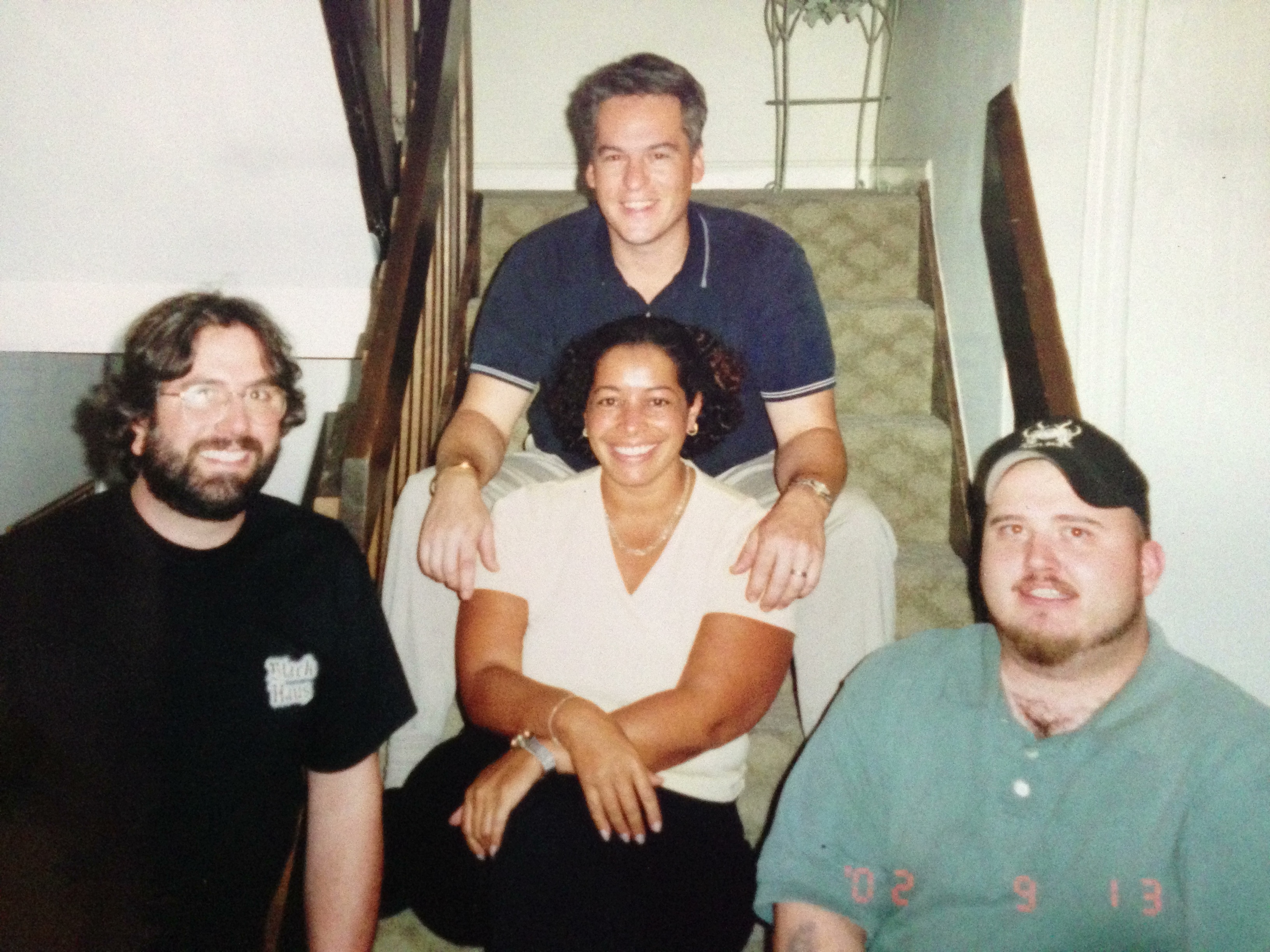
Me and my three brothers

Trans racial adoption was uncommon then, and the story is one for another time.  Suffice it to say, I grew up in a white family in towns with almost no diversity at the time I was growing up there.  Identifying my race was not as simple as hauling out the family album or even looking around at my community.  Most of the time, this is how we decide what race we are.  We look at Mom and Dad and do the math.  Simple.

Except its not so simple.  If you look like you might be walking the line between two race you have probably been asked the question on more than one occasion. From the time I was little, people asked.  The question itself is an indicator of the times:  in the 70’s the question was whispered, or more often sneered by nasty children in the playground.  in the 80’s it was asked with curiosity, or occasionally a spark of interest in the days when light skinned was in; in the 90’s when the best berries were blacker it was a test of authenticity.  And now in an era when we debate the end of race, being asked my race reminds me that race, and racism, isn’t going anywhere.

For some mixed race people the answer becomes one of complex math–a half this (which half?), a quarter that (leg piece or breast meat?)–where the family tree is examined and loyalties to each side are weighed.  Sometimes, back up family and community members are referenced to break any stalemate.  For others, embracing all parts of their lineage is the key, living as a testament to the dream of a land where all people live together, integrated fully and culturally complex.

More often than you would image, people argue with the answer you provide.    How often have people thrown the white mother card on President Obama?  Rarely is it said to spark an honest conversation of how race is constructed.  Mostly it’s said in a snarky way, or a weapon to shoot at the authenticity of his blackness.

Giuliani__Obama_Had_a_White_Mother__So_I_m_Not_a_Racist_-_First_Draft__Political_News__Now__-_NYTimes_comPeople squint their eyes and appraise your flesh–how light is white?  How much brown equals black?  but it doesn’t stop there.  They weigh your words–talking white or just educated? they judge your body–are your hips black in nature? they question your knowledge of perceived black culture.  In addition to judge they play other roles as well: now fashion blogger, now genealogist, next professor, sometimes confessor.

Free from a pedigree and family tree, I find people more likely to debate my racial identity with me.  I think this tells us that race is not just about what we think we are but is also significantly about what society says.  The conversation reveals how we divide people into racial categories: do you really think you’re black?  but you’re light skinned, so you’re not all black.  How did you decide you were black? how do you know that you’re not (insert nation here)? Do you even know what you are?  Over the years, I have been called a mulatta (stubborn mule!) a half bread, mixed, light, red, mutt, black bitch, nigger.  The names, they also are like a timeline of race in America.

When I was little–maybe 4–I was watching Bugs Bunny with a friend of mine.  We were watching the episode where Bugs is being chased by a witch doctor .  To escape Bugs put plates in his mouth to make big lips so he can blend in with the African ladies passing by.  My friend looked at at the TV  and then pointed to me.

“That’s what you are.”

I was shocked.  But I wasn’t.  I had seen the way my friend looked at me mirrored in the eyes of of other children–and adults. The easy way that my friend made a connection between the fake African stereotypes on the TV and me puzzled me.  I had been unaware of my race until then.  Later I wondered what everyone could see in me that made them know I was different when I looked so normal to me. My journey from that afternoon watching cartoons to here—not so coincidentally teaching about race and media–has been a complex conversation about race with my environment.  Through my teen angst, my reeducation into a wider historical narrative, a hundred conversations that start with the question and not a few moments years decades of deep introspection, I can tell you one thing I have never been: white.

You see, race is a social construct, and one that has only been around for a few hundred years.  Race, as a marker of identity, was created to structure power relationships–most markedly between whites and enslaved blacks, then later blacks suffering under Jim Crow, and even today blacks struggling with systemic racism in our post Obama age.  Beyond black and white, race decided who has to go to the Japanese interment camps, who was forced onto reservations when the slaughter was over. Race decided who could own property, who could marry, who could move into a neighborhood and who could go to school where.  Still today with the voting rights act being dismantled race is a factor in who can vote and who has to show their papers, please.

You may have noticed that it didn’t matter how light your skin or your lineage, race is decided in the halls of power.  The categories of race do a poor job describing the human and a great job describing the lines of power and privilege.  Ask one of the 6.5 million american who are mixed race, 1.8 million alone who identify as black and white–we are a living testament to the fuzzy lines that mark race in America. The math doesn’t make sense.  What looks like a solid divide in those check boxes on forms is a wide foggy boundary, a gray area that mixed-race people navigate every time you ask them the question.

The journey is not over.  America is marching slowly but surely to a tipping point where white will no longer be the majority. You can bet that the construct of whiteness will make us pry privilege from it’s cold dead hands.  Like all times when race was used as a tool to divide working class and poor whites and black, we see racial rhetoric and racial tension on the rise.  We see overt systemic racism in all our systems.  We see anger between people in the streets.

We African Americans with light skin, brown skin, mixed race, never-white-enough-skin walk the front lines in these battles.  We are the lie of race being a real way to divide people.  We are the truth of  the race that is human, all of us mixed from our birth in the womb of Africa.  We are victimized by systems of privilege that clearly label us non white. We are the witnesses to all the ugliness too scared to confront our darker sisters and brothers.  We sit in the rooms when they think we’re not there, forced to confront the casual racism that happens behind closed doors.  We are questioned by both sides–papers, please–as we navigate the borderland between the poles of black and white.

We, too, are black.

So for my black brothers and sisters, and others from different mothers in the struggle, don’t forget that racism is a tricky animal that takes more than one shape.  Don’t assume that life light-skinned is carefree.  We, too experience racism, which can be compounded when the people who understand that pain best won’t acknowledge it might be happening.  To dismiss our lived experiences with race is to perpetuate a divisiveness that is part of our painful past, but not bred in our blood.   Race is a recent construct, but all people of the African diaspora share deeper, older roots, roots that matter to all of us, no matter where we landed or what shade we bore.  We are family, and we need to be…..and you know, it’s never a good look when your charges of racism are summarily dismissed just because of the color of your skin.

To our white allies, respect our right to self identify.  Respect our right to be black.  Judging my blackness by my shade ignores the long and complex history of race, and my lived realities of which you are wholley unaware.  If you want to ask the question, do it with respect and listen with an open mind, not a snap answer.

Dear Starbucks, this counting exercise definitely didn’t help…like at all

And to America, race isn’t going anywhere.  Seeing systemic racism isn’t enough. We need the political and social will to make fundamental changes to how we treat each other in the halls of power, not just in the Starbucks streets.  As long as systemic practices reproduce racism, it will always be with us, no matter how many of us wish it away.  Having an uncomfortable conversation isn’t enough; We need to act in ways that dismantle racism at its core.

There are no easy answers, and there isn’t one way.  Culture is complex–ask one of us, we know.  We definitely do not have all the answers but we stand in challenge to race as usual.  We live past the coming tipping point  We don’t know what lies ahead to end racism, but those of us in the fog are finding a way to move forward, ever forward.

Scandal, Selma and a Black President

In the round up of 2014’s mass media themes, many critics pointed to an increase in diversity. Shonda Rhimes’ Scandal magic, lovely Lupita and Selma marching into theaters it seems like a flood of great media representations of black, right?

36_Shonda_Rhimes_Cover_Embed Sure it’s great to see characters from all different back grounds displayed across network TV and in the wondrous world of scripted cable drama. Yea. But if it sounds like I’m doing the slow clap its because I can’t help but feel like our forward progress may be an illusion at best, and at worst? Well, keep reading.

BN-BD772_zamata_E_20140119084301The past year has seen its share of memorable milestones towards a more diverse media: SNL cast its first woman of color in seven years; the major networks aired shows with minority lead characters—like ABC’s Blackish and How To Get Away With Murder, NBC’s crime drama ensembles and even Fox’s Octavia Spenser drama.

TLAM-NY-Premiere-Tim-Story

Directors and show runners like the ubiquitous Shonda Rhimes, rising star Tim Story (Think Like a Man) and Hollywood heavyweight Tyler Perry proved that there is even some color behind the camera. With these high-visibility success stories, audiences may increasingly feeling like they already see a post racial America on their screens at home.

Except, its not true.

barack-obama-family-at-inauguration

Remember when we elected a black president and believed that this would magically bring about racial harmony and understanding? It did’t. In the same way, seeing a few black faces on your screens may make you think that we are entering a post racial Hollywood. The truth is, it won’t.

People of color continue to be woefully underrepresented and misrepresented in media. A comprehensive survey of mass Media published last year out of UCLA showed that minorities are underrepresented in Hollywood films by a factor of 3, and in TV by a factor of anywhere from 2 to 7 .  Behind the camera of your favorite TV show is even worse with minorities directing on 4.2% of all broadcast comedies and dramas.

Selma-special-VIP-screening-6When it comes to the best films—those that take home Oscar gold—100% of winning directors are white. That’s right, in the Academy Award’s 85 years a person of color has never won for best director.  If the Selma snub at last nights Golden Globes is any indication we are unlikely to break the streak this year either.

cdn.indiewire
Underrepresentation is just half the story. Accurate voice and representation is about number in front of and behind the camera, but its also about the quality of representation. Even if the number of minorities on TV were a dead match for census numbers, if those stories continue to reinforce old stereotypes, then we can’t call it progress.

Olivia-Fitz-olivia-and-fitz-30874103-259-194
On the quality front, 2014 was looking more like 1974—a black woman serving up sex for her powerful master, happy faces shucking and jiving to a laugh track, and Queen B twerking for the teens. And these aren’t the B and C-listers—this is what A-list black stars do to get that check.

Beyonce
The illusion of progress that we toasted at the end of the year masks the steady restabilization of racist narratives of the past. We end up celebrating just a fiercer crop of mammys and jezebels. Don’t settle just for Scandal.  We need a diverse media that reflects out increasingly diverse country, but unless the industry starts making some changes in front of the camera and behind—especially in those writing rooms—we might find ourselves raising a glass to the same old same old.

Community-Cast-Season-4

Before you trash the idea of better media with your resolution to hit the gym, there is a glimmer of hope. You see, the same UCLA study that put numbers to the lack of diversity also showed that shows with more diverse casts are more profitable. Media is made by for profit companies, so listen up suits! It seems that more color equals more green.

640d6f7cffec0cb2c40b109350945b7c
Supporting media that celebrates diversity make sense. Vote for better media with your dollars. Go see Selma, and rent those series that get it right. Finally a New Year’s resolution you can keep? Watch TV and movies with diverse casts!

I Do Mind

Not to shame sex workers or Usher, but this song is just stupid.

Girl, I do mind.  If stripping is so empowering, then name a stripper.  Show me where they have the chance to wield power over anything but a penis.

Even when it comes to all those bills, strippers aren’t really rolling in the dough.  Stripper salary comparisons are hard to find, but estimated annual earning range from $25,000 to $120,000, with most falling at the low end of the scale.   Income from stripping also doesn’t take into account the emotional and physical toll of the job.  Usher, do you really want your girl grinding on old guys for a $20 bill?  You should mind.

9-to-1 Sounds Even, Right?

digits police killings

These numbers refelct the best info available, which isn’t saying much.  Police killed in the line of duty as tracked by the Officer Down Memorial Page, and includes officers killed in auto accidents–26 last year.  Since they do not parse who caused the accident, I included them.  Civilians killed by police tracked by Killed By Police Facebook page–I know, I know, a Facebook page doesn’t sound credible but this is more reliable than FBI statistics, which reflect only “justifiable” homicides.  For more on the lack of stats, visit this Five Thirty Eight post on police involved killings.

Unbe-BIEBER-ful

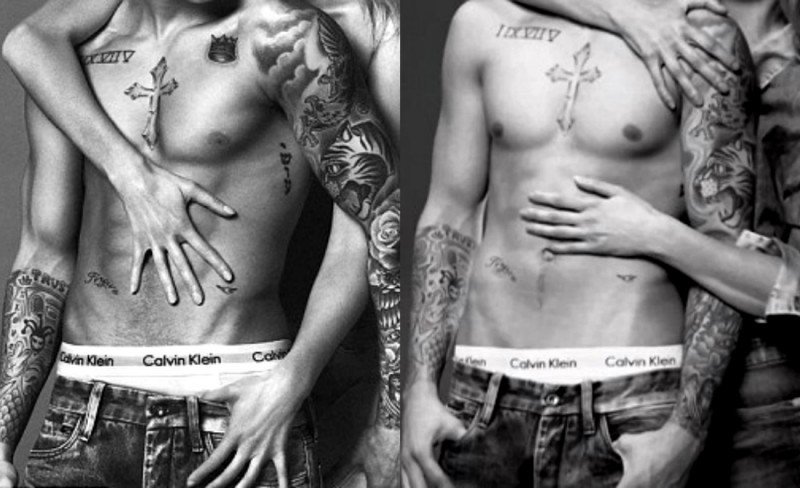
Justin Bieber in a recent move to upgrade his flagging career got an upgrade of his own from the Photoshop gods.  Hot on the heels of some steamy Calvin Klein shots featuring an oh-so-grown Biebs complete with a baby Bieber bulge comes the (shock!) word of Photoshopping.

ivb55wzlf1zgn6qvamfuTurns out the bulge was more baby than Bieber.  Photos from the photo shoot before the Photoshop were released and showed a decidedly less buff Biebs with a  decidedly more baby baby bulge in his Calvin Kleins.  Luckily for him, some things do come between him and his Calvin’s–Adobe CS6.

justin-bieber-calvin-klein-3-570-800x488

A little digital nip and tuck later, naked Biebs is wearing some extra muscle, some darker skin , more body hair and a bigger boxer bump.  Can it be that the forever-young jailbait Bieber is trying to rebrand himself as a big boy?  He’s got lots of company.

Marky-MarkThe black-and-white-naked-and-cut look has been a fav of pouty pop stars trying to prove they’ve passed puberty.

jonas-brothers-rolling-stone-cover-2009-12


Justin Timberlake Wallpaper @ go4celebrity.com

I’d say I hop it works as well for JB as JT, but that would be a lie.  Besides, teen hearthrob comes with an expiration date, so my advice for Beiberbait?  Put your pants on and hit the studio.

Rape Jokes. Super Funny.

Bill Cosby, TV’s former favorite father has been spiraling down from his pedestal on the Cosby show as numerous rape allegations, whispered in secret for years, have finally taken hold in the court of public opinion.

image

Nearly everyone has weighed in.  25+ victims have come forward, including some well known celebs like Beverly Johnson.  Industry insiders and a gaggle of commentators have come out for this side or that.   Cosby’s former costars have also made the rounds to give him a good character reference–we can’t hold that against them; sociopaths and other offenders can be quite charming, that’s part of their cover.    But not a word from Bill himself–until now.

Last night at a comedy show in Ontario, Cosby played to an adoring crowd of 2599–and 1 heckler that shouted at Cosby during the show.  He said nothing in response to being called a rapist….but when a woman got up from her seat during the show, Cosby asked her where she was going.  When the woman replied she was going to get a drink Cosby reportedly quipped, “You have to be careful drinking around me.”

drink-savvy-cups

Really, Bill?  After weeks of saying nothing, you decided a flippant flirty rufie joke was the way to go?   Even the loyal fans gasped before some applauded the accused-rapist’s rape jokes.

Hope someone checked to make sure that woman made it back to her seat.


Black (Celebrity) Lives Matter (more)

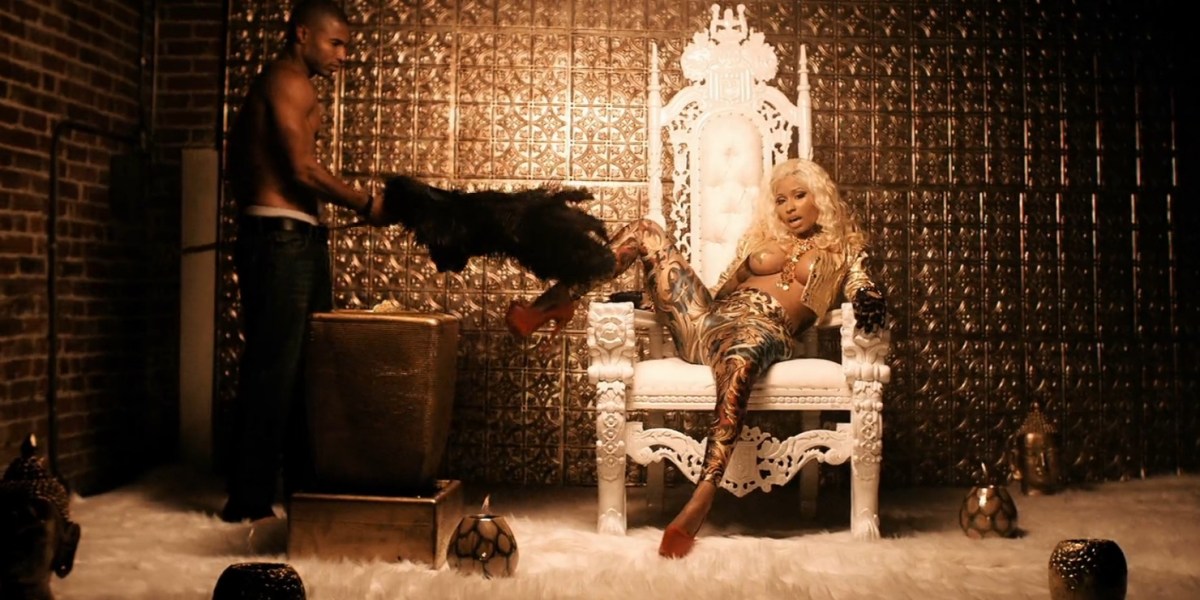
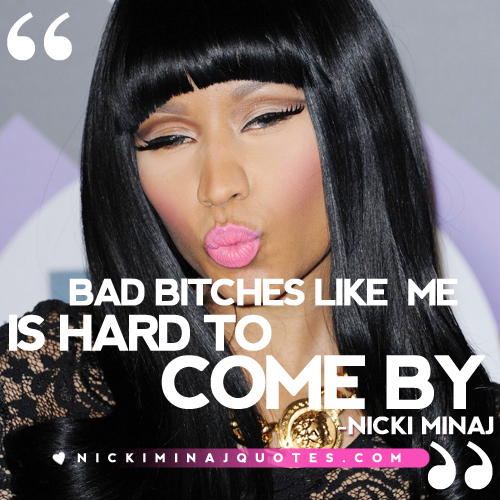
Weeks of protests across the country have been missing lots of your favorite black pop stars, including one formally pink-haired princess.  Nikki Minaj has been silent on the issue of police misconduct and brutality.  Turns out, even though she has assured us that she is both a monster and a boss bitch, that she is worried about taking a hit in the pocket if she stands up for black lives.  Not so tough now…

bad-bitches-like-me

In a recent interview in Rolling Stone Minaj said that she feels like she can’t speak out about racism in society without her career taking a hit:

“I feel like when Public Enemy were doing ‘Fight the Power,’ we as a culture had more power — now it feels hopeless,” Minaj says. “People say, ‘Why aren’t black celebrities speaking out more?’ But look what happened to Kanye when he spoke out. People told him to apologize to Bush!”

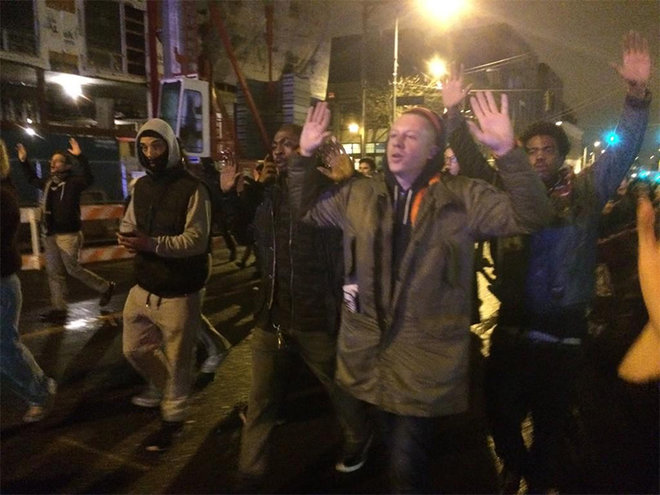
Minaj must not have notices tens of thousands of  people around the country participating in die-ins:  laying on cold streets, in traffic, on highways, and across the sticky floors of malls.  These people– many young people squarely in Minaj’s demographic–have been unafraid to speak out and to literally lay down to stop the world and make people hear their chants of black lives matter.

BS md-black-lives-matter-p1.jpg

Some of these people left work or class to participate in protests risking all kinds of consequences.    But most of the protesters are not famous, and few are likely to have a corporate record deal, so admittedly, most of us have a lot less to lose than our favorite rapper.

141124_seattle_maclemoreThen again, look at Macklemore who has made a career in rap speaking out.  From celebrating thrift store swag to same sex rights, Macklemore has made millions, topping charts and hearts with his uber-unity rap.  Even Eminem, the bad boy of rap, has spoken on on a variety of social issues like suicide and poverty.  Em didn’t get black balled, he got put in car commercials .

What could possibly be different between Kanye and Nikki and Macklemore and Eminem?  Black artists don’t get the same pass, don’t get to play the same parts that their white counterparts play, even in the land that blacks created–hip hop.  Black artists can easily be labeled as radioactive for the same stances that we swoon to see white stars in.  Bill Gates can dump money wherever he wants, but when Dr. Dre gave a massive donation to USC he was criticized for not giving black enough.  Critics questioned Wyclef’s work in the wake of the Haiti earthquake.  And of course, there’s Kanye.

Of all the spheres for black celebrities to orbit, hip hop was supposed to be the genre where black lives–and voices–really did  matter.  Truth is, there is lots of great hip hop talking about these issues, but to Minaj’s point, that is the game of mainstream media.  Market forces determine the lowest common denominator for pop stars to aim at, hoping to please the bland palate of the masses while ignoring the issues of the smaller classes in the audience.  the risk is real, but is that an excuse?LeBronJames1

Despite having offered an apology to George Bush, Kanye persists. Despite the potential backlash, dozens of sports stars have made their voices heard.  Despite the cold, Black Lives Matter Protests persist.  So what’s up, pop princess?  In the face of racism we each have to chose how we will respond.  When we choose to sit on the sidelines and not risk what we have despite our best intentions, racism persists.

Minaj bemoans the hoplessness of these times–I feel her.

“[Kanye]was the unofficial spokesman for hip-hop, and he got torn apart,” she says. “And now you haven’t heard him speaking about these last couple things, and it’s sad. Because how many times can you be made to feel horrible for caring about your people before you say, ‘Fuck it, it’s not worth it, let me live my life because I’m rich, and why should I give a fuck?'”

We create these stars when we buy their shit, but they cannot be bothered to say in public that your life matters.  Go ahead, Nikki and live your life, because fuck it, it’s true–you’re rich and why should you give a fuck.   Selling out pays well.  But if you ever want to see what a real star looks like, look at the bodies dotting the pavement.  They’ll be out there, holding you down.